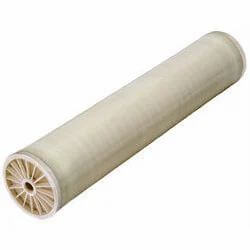
Membranes
Product Description
Membranes are the core components of modern water treatment systems, ensuring the production of safe, clean, and high-quality water for residential, commercial, and industrial applications. Manufactured using advanced thin-film composite (TFC) technology, these semi-permeable membranes act as a selective barrier—allowing pure water molecules to pass while rejecting salts, suspended solids, microorganisms, and other harmful contaminants.
Types of Membranes
Available in various configurations such as Reverse Osmosis (RO), Nanofiltration (NF), and Ultrafiltration (UF), membranes are adaptable to different water sources including tap water, groundwater, surface water, brackish water, and seawater. Their flexibility makes them suitable for everything from household drinking water systems to large-scale industrial and municipal plants.
Key Features
- High rejection rates for salts, microbes, and organic impurities
- Long service life with stable, consistent performance
- NSF-approved quality standards for safety and reliability
- Protects downstream equipment from scaling and fouling
- Easy installation and low maintenance
Trusted Brands
- We supply a wide range of globally recognized membrane brands, including:
- Dipoint
- Vontron
- Bangtek
- Keenson
- And other reputed manufacturers
RO Membranes
Extremely Low-Pressure RO Membranes
Extremely Low Pressure (XLP) reverse osmosis membranes are advanced thin-film composite elements designed for high efficiency water purification at reduced operating pressures. These membranes achieve up to 98% salt rejection while operating at nearly half the pressure of standard low-pressure membranes. This not only lowers the initial investment in pumps, pipelines, and associated equipment but also reduces long-term operational costs, making them an economical choice for sustainable water treatment.
Scope of Application
XLP membranes are best suited for treating surface water, groundwater, and municipal water with TDS levels below 1000 ppm. They are particularly effective in two-pass RO systems, where energy efficiency and high-quality permeate are required.
Typical Applications
- Bottled and packaged drinking water production
- Domestic and commercial drinking water systems
- Boiler feed and replenishment water
- Food and beverage processing
- Pharmaceutical and healthcare water systems
By combining low energy consumption, reliable salt rejection, and consistent water output, XLP membranes offer a cost-effective and long-lasting solution for both commercial and industrial water treatment applications.
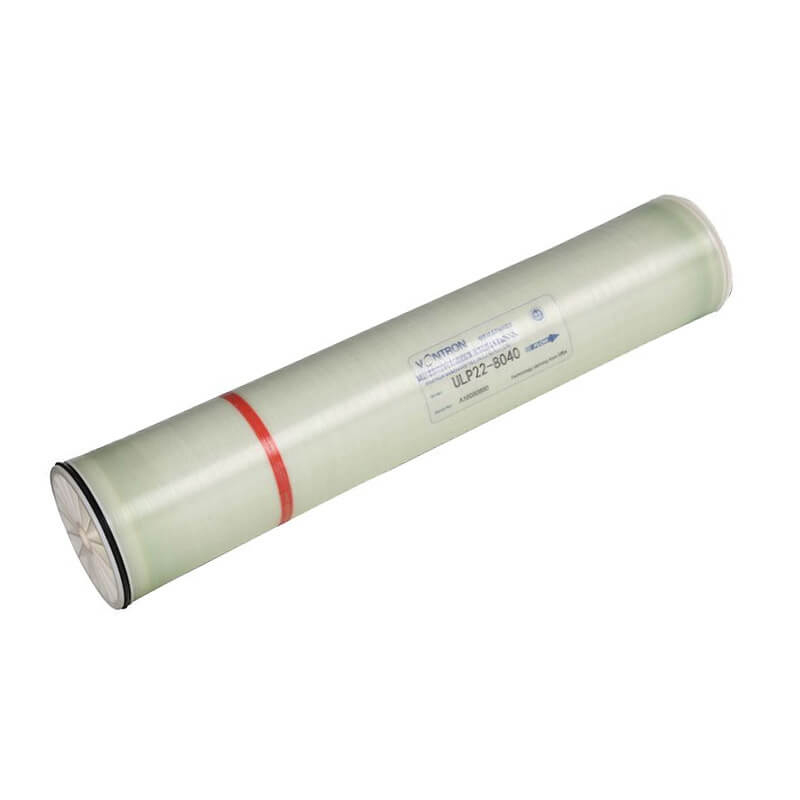
Low Pressure RO Membrane
Low Pressure (LP) reverse osmosis membranes are thin-film composite elements designed for efficient treatment of brackish water and other medium-salinity sources. They operate at lower pressures compared to standard brackish water membranes, while still delivering high permeate flow and excellent salt rejection performance. These membranes are effective in removing dissolved salts, TOC (Total Organic Carbon), silica, and other impurities, making them ideal for applications that demand high-purity water.
Scope of Application
LP membranes are suitable for treating brackish water, surface water, groundwater, and municipal water with TDS levels up to 10,000 ppm. Their versatility allows them to be applied in both industrial and municipal systems.
Typical Applications
- Bottled and packaged drinking water production
- Industrial pure water generation
- High-purity water for electronics and power industries
- Boiler feed and replenishment water
- Wastewater reuse and recycling systems
- Material concentration, purification, and refining processes
By combining low-pressure operation, high rejection rates, and stable performance, LP membranes provide a reliable and cost-effective solution for a wide range of commercial and industrial water treatment needs.

Fouling Resistant RO Membrane
Fouling Resistant (FR) reverse osmosis membranes are specially engineered to handle challenging and complex water sources. Designed with advanced surface modification technology, these membranes offer improved hydrophilicity, surface charge, and smoothness, which significantly reduces the buildup of biofouling and the adsorption of organic or inorganic pollutants.
In addition, FR membranes are equipped with a 34 mil feed spacer design, which lowers pressure drop, minimizes fouling, and enhances cleaning efficiency. This design extends the service life of the membrane while maintaining consistent performance in demanding operating conditions.
Scope of Application
FR membranes are suitable for treating water sources with TDS levels up to 10,000 ppm, especially where fouling potential is high. They are widely used in systems requiring stable and long-term operation with reduced maintenance.
Typical Applications
- Surface water purification
- Municipal reclaimed water treatment
- Mining wastewater recovery
- Industrial wastewater reuse
- Brackish water treatment
- Complex feed water sources with high fouling tendency
By offering enhanced resistance to fouling, reliable rejection rates, and improved durability, FR membranes provide a cost-effective solution for applications where conventional RO membranes face rapid performance decline due to fouling.
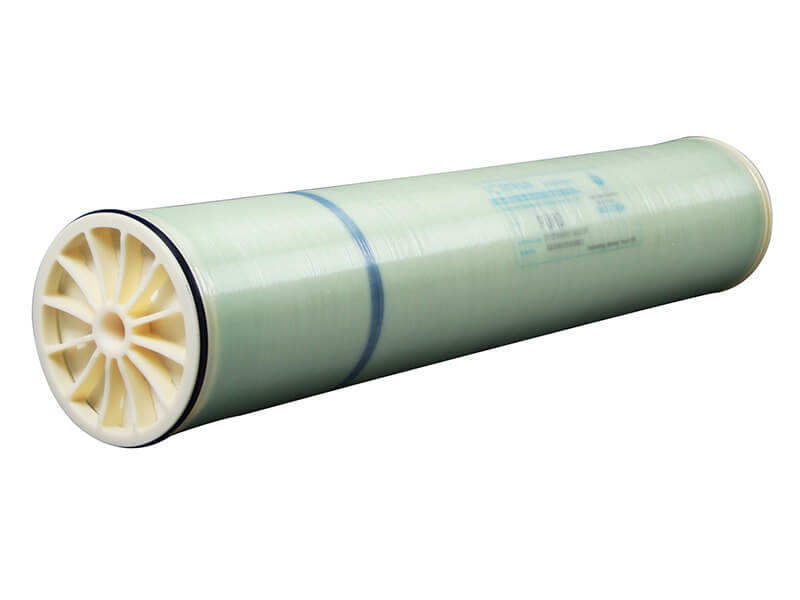
Seawater RO Membrane
Seawater (SW) reverse osmosis membranes are specially designed for the desalination of seawater and high-TDS brackish water. These membranes operate at relatively low pressure while delivering excellent desalination performance and stable operation, reducing the need for high-cost equipment and energy. With high salt rejection rates—up to 99.85% in advanced models—these membranes make it possible to produce safe drinking water from seawater using a single-pass RO system.
Scope of Application
SW membranes are suitable for treating seawater and high-concentration brackish water, making them ideal for challenging water sources.
Typical Applications
- Seawater desalination
- High-concentration brackish water treatment
- Boiler feed and replenishment water in power plants
- Wastewater reuse and recycling
- Concentration and recovery of high-value substances in food and pharmaceutical industries
By combining high salt rejection, low operating pressure, and reliable performance, SW RO membranes provide an efficient and cost-effective solution for seawater and high-salinity water treatment in industrial, commercial, and municipal applications.
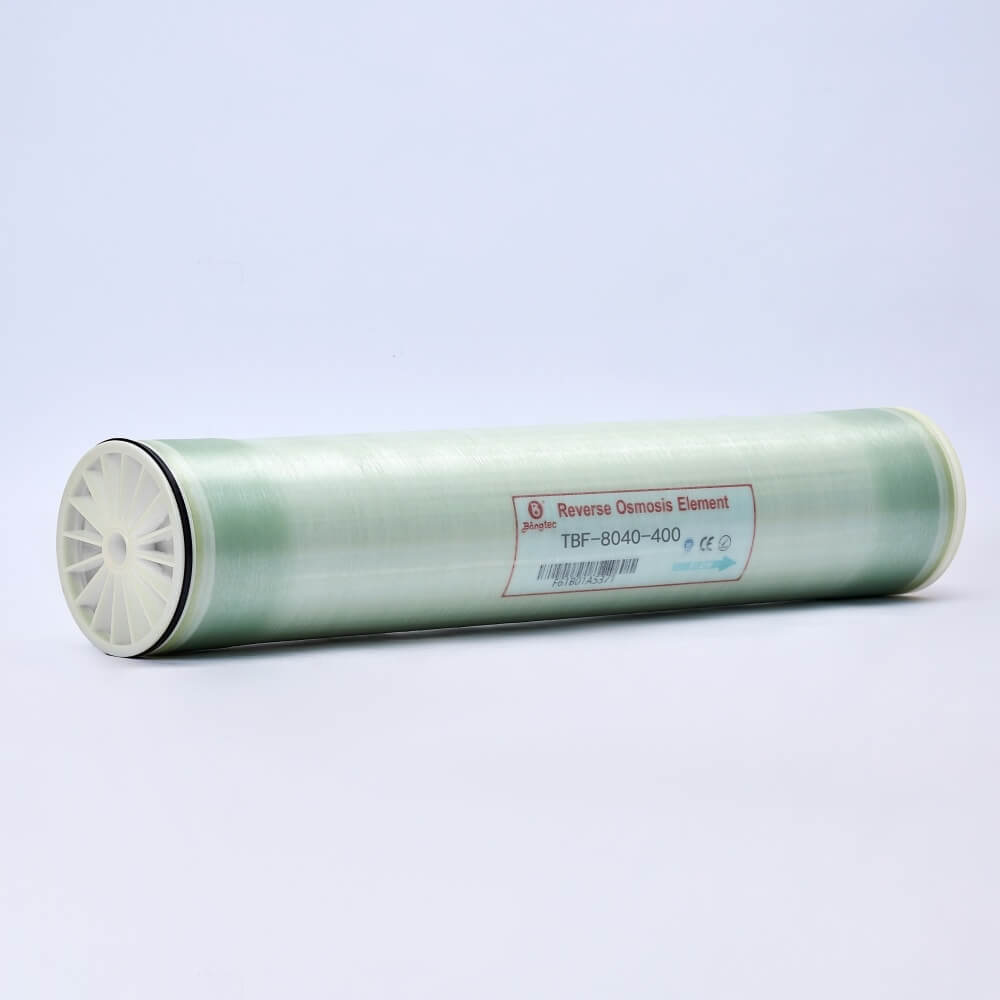
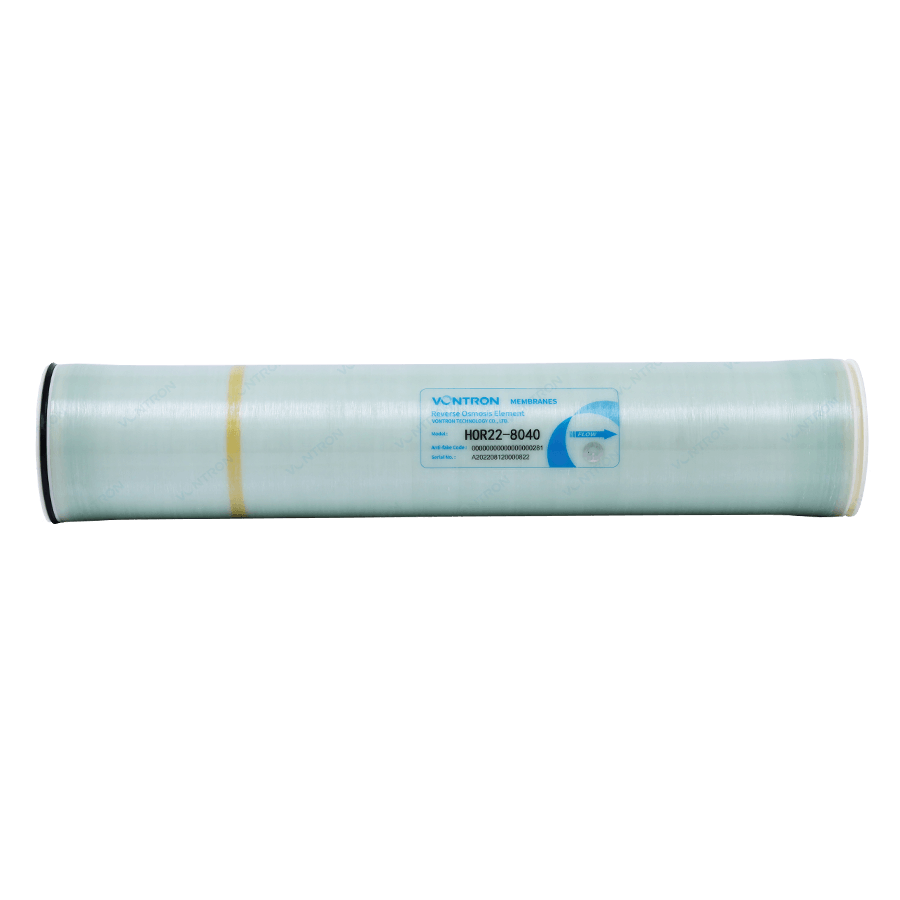
High Oxidation Resistant RO Membranes
High Oxidation Resistant (HOR) RO membranes are advanced thin-film composite elements designed to handle water sources containing oxidizing agents and potential bio-contaminants. With enhanced antioxidant properties achieved through a specialized synthesis process, these membranes can tolerate exposure to low levels of oxidants, reducing the need for extensive pre-treatment and helping maintain long-term performance.
Scope of Application
HOR membranes are suitable for treating surface water, groundwater, and municipal water with TDS levels up to 10,000 ppm. They are particularly effective in applications where water may contain bio-pollution or residual oxidizing substances.
Typical Applications
- Municipal and industrial reclaimed water reuse
- Electroplating and industrial wastewater treatment
- Water sources prone to bio-contamination or containing oxidants
- Surface water and groundwater purification
By offering high permeate flow, low operating pressure, and enhanced resistance to oxidation, HOR membranes simplify system design, reduce operational costs, and extend membrane service life, providing a reliable solution for challenging water treatment applications.
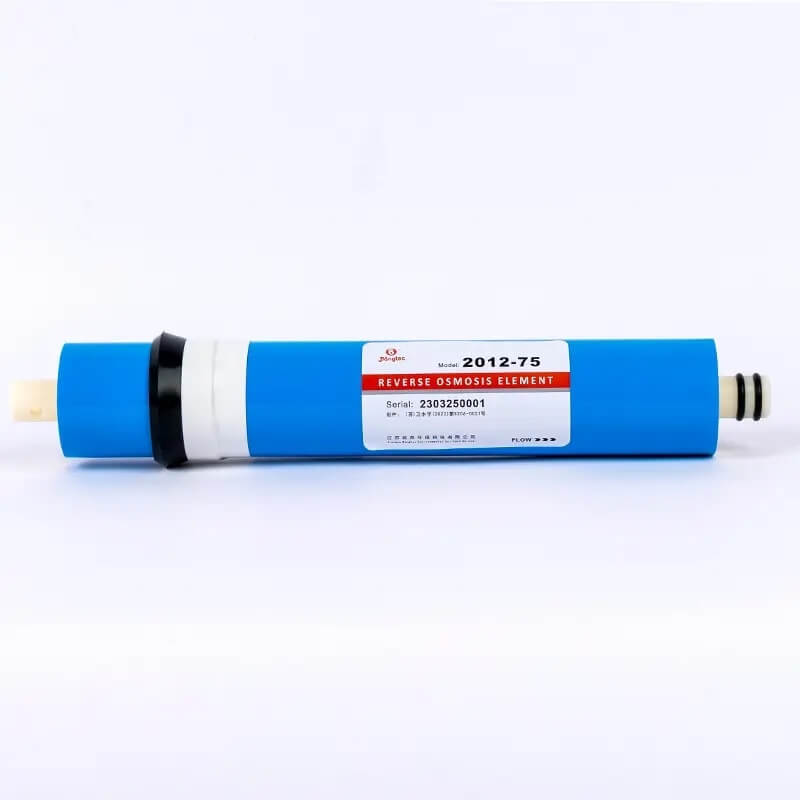
Extra Low Energy RO Membrane
Extra Low Energy (XLE) RO membranes are advanced thin-film composite elements designed for desalination of municipal water and low-salinity feed water (TDS below 500 mg/L). Operating at approximately two-thirds the pressure of conventional low-pressure membranes, XLE membranes deliver high water flux with ultra-low energy consumption, making them a highly efficient solution for low-TDS water sources.
Scope of Application
XLE membranes are ideal for treating municipal water supplies and pre-treated RO water, especially where energy efficiency and operational cost reduction are key priorities.
Typical Applications
- Municipal drinking water purification
- Low-salinity feed water RO systems
- Energy-efficient commercial and industrial water treatment
- Pre-treatment for high-purity water production
By combining ultra-low operating pressure, high permeate flow, and energy-efficient design, XLE membranes provide an economical and sustainable solution for water treatment systems requiring consistent performance and reduced operational costs.
Ultra Low-Pressure RO Membrane
Ultra Low Pressure (ULP) RO membranes are advanced thin-film composite elements designed for efficient purification of surface water, groundwater, and municipal water with moderate salinity (TDS below 2,000 ppm). Operating at approximately two-thirds the pressure of standard low-pressure membranes, ULP membranes achieve up to 99.5% salt rejection, reducing energy requirements and lowering the investment in pumps, pipelines, and associated equipment.
Scope of Application
ULP membranes are suitable for a wide range of applications where high-quality purified water is required, particularly for systems aiming to reduce operational costs while maintaining performance.
Typical Applications
- Bottled and packaged drinking water
- Municipal and commercial drinking water systems
- Boiler feed and replenishment water
- Food and beverage processing
- Pharmaceutical and healthcare water systems
By providing high rejection rates, low operating pressure, and efficient water production, ULP membranes offer a cost-effective and reliable solution for both commercial and industrial water treatment needs.
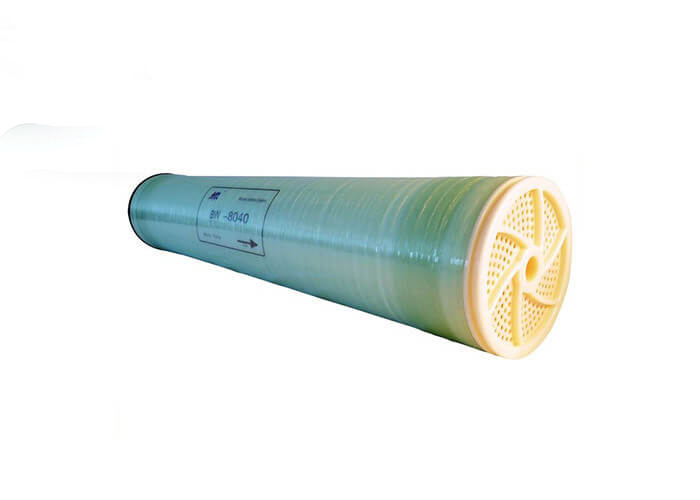
NF Membrane
Alkalis- resistance NF Membrane
Alkalis-resistance nanofiltration membranes are specially designed to provide stable separation performance in highly alkaline conditions, including solutions with up to 20% NaOH, KOH, and other strong alkaline chemicals. Featuring a unique patented membrane structure and a high-permeate flow design, these membranes deliver both economic and environmental benefits through efficient water recovery and reduced energy consumption.
Scope of Application
Alkalis-resistane NF membranes are suitable for treating extreme feed solutions with pH ranges from 5 to 14, including cases where the feed solution characteristics cannot be adequately described by standard pH values.
Typical Applications
- Treatment of highly alkaline industrial process water
- Chemical recovery and reuse
- Food and beverage processing requiring high-pH filtration
- Specialized applications in pharmaceutical and chemical industries
By combining high chemical resistance, stable performance, and efficient water flux, Alkalis-resistance membranes provide a reliable solution for challenging nanofiltration applications in industrial processes.
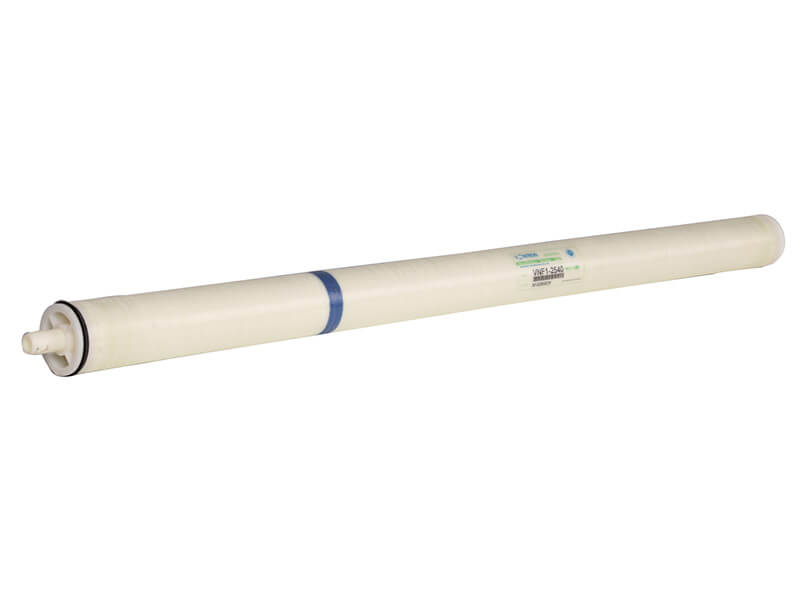
Material Separation NF Membrane
MASE Series nanofiltration membranes are designed for precise separation and concentration of salts and organic compounds in aqueous solutions. With a molecular weight cutoff of 200–800 Daltons, these membranes are ideal for applications such as hardness removal, denitrification, and selective separation of monovalent and divalent ions.
Membrane Variants and Applications
- MASE-SP – Retains polyvalent ions while allowing monovalent ions to pass; suitable for high-concentration brine purification.
- MASE-SL – Removes polyvalent ions and organic substances while passing monovalent ions; suitable for brine purification, decolorization, and organic removal.
- MASE-PS – Moderate monovalent ion removal; ideal for eliminating pesticides, herbicides, and other organics in high-salinity water.
- MASE-CR – High monovalent ion removal; used for recovering RO concentrate with salt content between 5,000–10,000 ppm.
Key Features
- Patented U-shaped water distribution end cap ensures even hydraulic load distribution, reducing pollutant accumulation.
- LD low-pressure drop 34 mil inlet grid enhances anti-fouling performance while reducing energy consumption.
- End cap manufactured with hot melt spiral welding for increased structural strength under high pressure.
- High-precision rolling and low-resistance design maximizes efficiency, reduces fouling, and lowers operational costs.
Scope of Application
MASE NF membranes are suitable for industrial water treatment, brine recovery, organic removal, and specialized chemical separation processes, providing high efficiency, durability, and stable performance under challenging conditions.
Acid-resistance NF Membrane
Acid-resistance nanofiltration membranes are specially designed for acidic water and chemical solutions, enabling the permeation and recovery of acids while effectively separating metal ions and inorganic salts. These membranes can operate with strong acids such as hydrochloric acid, nitric acid, and sulfuric acid (up to 20% w/w), with a molecular weight cutoff of approximately 200 Daltons.
Scope of Application
Acid-resistance NF membranes are ideal for industries requiring acid recovery and metal ion separation, including:
- Titanium dioxide production
- Surface finishing and plating processes
- Ore smelting and metal processing
By providing high chemical resistance, precise separation, and stable performance, Acid-resistance membranes offer an efficient solution for acid purification, recovery, and industrial process optimization.
Nanofiltration Element for Municipal Water Application
That NF membranes are designed to effectively remove organics, microbes, viruses, and most divalent or multivalent metal ions, while allowing controlled passage of certain monovalent ions such as sodium, potassium, calcium, and magnesium. This balance makes them ideal for producing healthy drinking water with essential minerals retained.
Variants within the Series
- LS (Low Salinity): Specially developed for the removal of organics and inorganics from raw water with low salinity, while retaining most monovalent ions.
- MS (Mid Salinity): Offers higher rejection of monovalent ions along with balanced organics removal, suitable for medium-salinity water treatment.
- HS (High Salinity): Provides 80–85% chloride rejection, making it ideal for mid- to high-salinity raw water while reducing both organics and inorganics.
Key Features
- Advanced controllable porosity technology in the separation layer ensures precise filtration performance for varied salinity levels.
- Equipped with LD 34-mil feed channel spacers for improved fouling resistance and reduced energy consumption.
- Certified for drinking water safety compliance, ensuring reliability for domestic and municipal water treatment applications.
Scope of Application
membranes are widely used in drinking water production, municipal water systems, and residential filtration setups, where the goal is to balance high contaminant removal with retention of beneficial minerals.
UF Membrane
Hollow Fiber UF
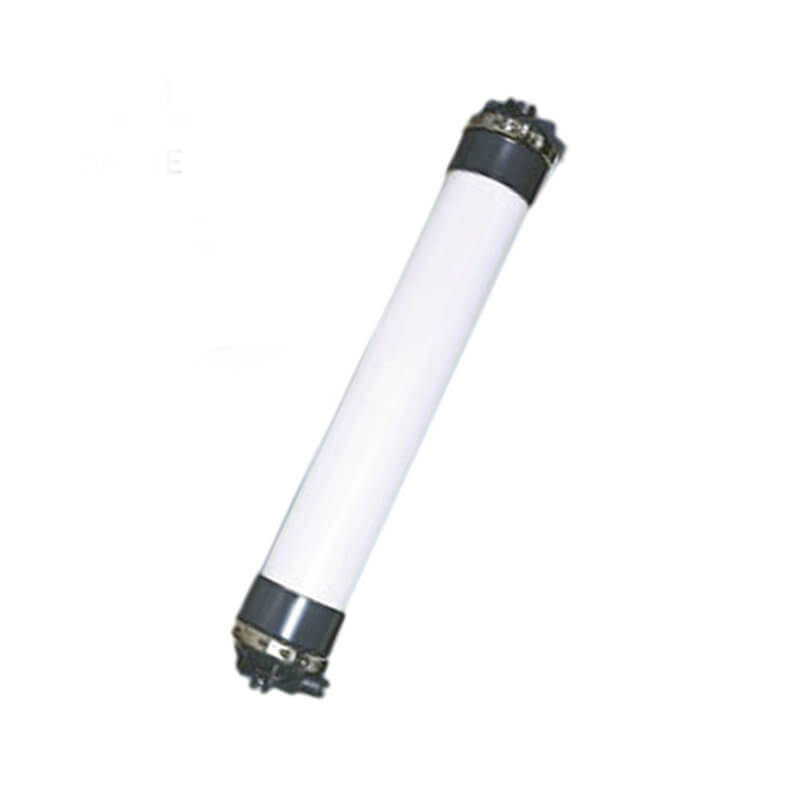
Hollow fiber ultrafiltration (UF) membranes are designed to effectively remove suspended solids, colloids, bacteria, and other impurities from water. With a compact structure and high surface area, these membranes provide consistent filtration performance and are widely applied in both municipal and industrial water treatment systems.
Scope of Application
- Tap water purification – improving clarity and safety for drinking water.
- Seawater desalination pretreatment – protecting downstream RO systems by reducing fouling and particulate load.
- Wastewater reuse – ensuring reliable purification for recycling and resource recovery.
By combining high efficiency, durability, and low operating costs, hollow fiber UF membranes offer a reliable pretreatment and purification solution for a variety of water treatment processes.
Spiral Wound UF Membrane
Spiral wound ultrafiltration membranes are engineered with polyethersulfone (PES) material, offering excellent heat resistance, chemical stability, and uniform pore size distribution. With precise molecular weight cut-off (MWCO) ratings, these membranes deliver high selectivity, low fluid resistance, and long service life, making them ideal for both water purification and specialized separation processes.
Scope of Application
Spiral wound UF membranes are widely used in:
- Drinking water, municipal water, and industrial water treatment
- Pretreatment for reverse osmosis (RO) systems
- Electronic-grade ultrapure water production
- Biochemical, pharmaceutical, and food industries for material separation, concentration, purification, and decolorization
Performance Highlights
- Effectively removes proteins, viruses, macromolecular organics, pigments, and polysaccharides.
- Allows passage of salts, small organic molecules, and water while separating larger molecules.
- Available in a range of MWCO options (4k, 6k, 8k, 10k, 20k, 67k Da) for precise separation needs.
- Configurable with different feed channel spacers (31, 46, 90 mil) and suitable for both fiberglass and sanitary-grade housings.
By combining durability, high separation accuracy, and versatile applications, spiral wound UF membranes provide a reliable solution for both water treatment and industrial separation processes.